Routine pumping, the cleanest finish in the Valley, and high-pressure jetting when a line clogs. Here's how it works and what to expect.
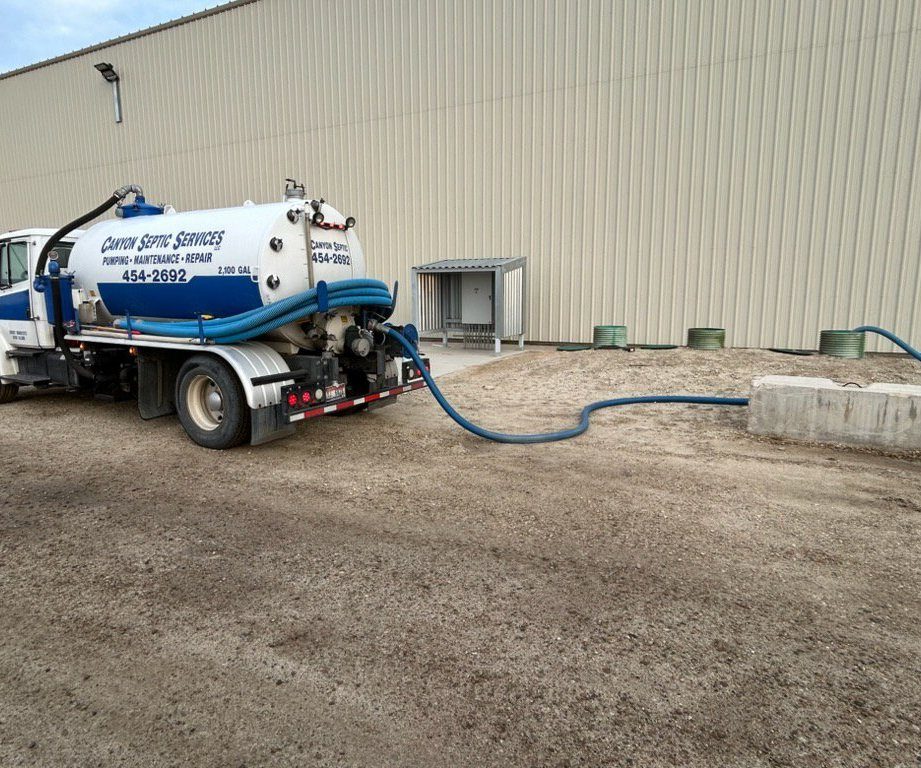
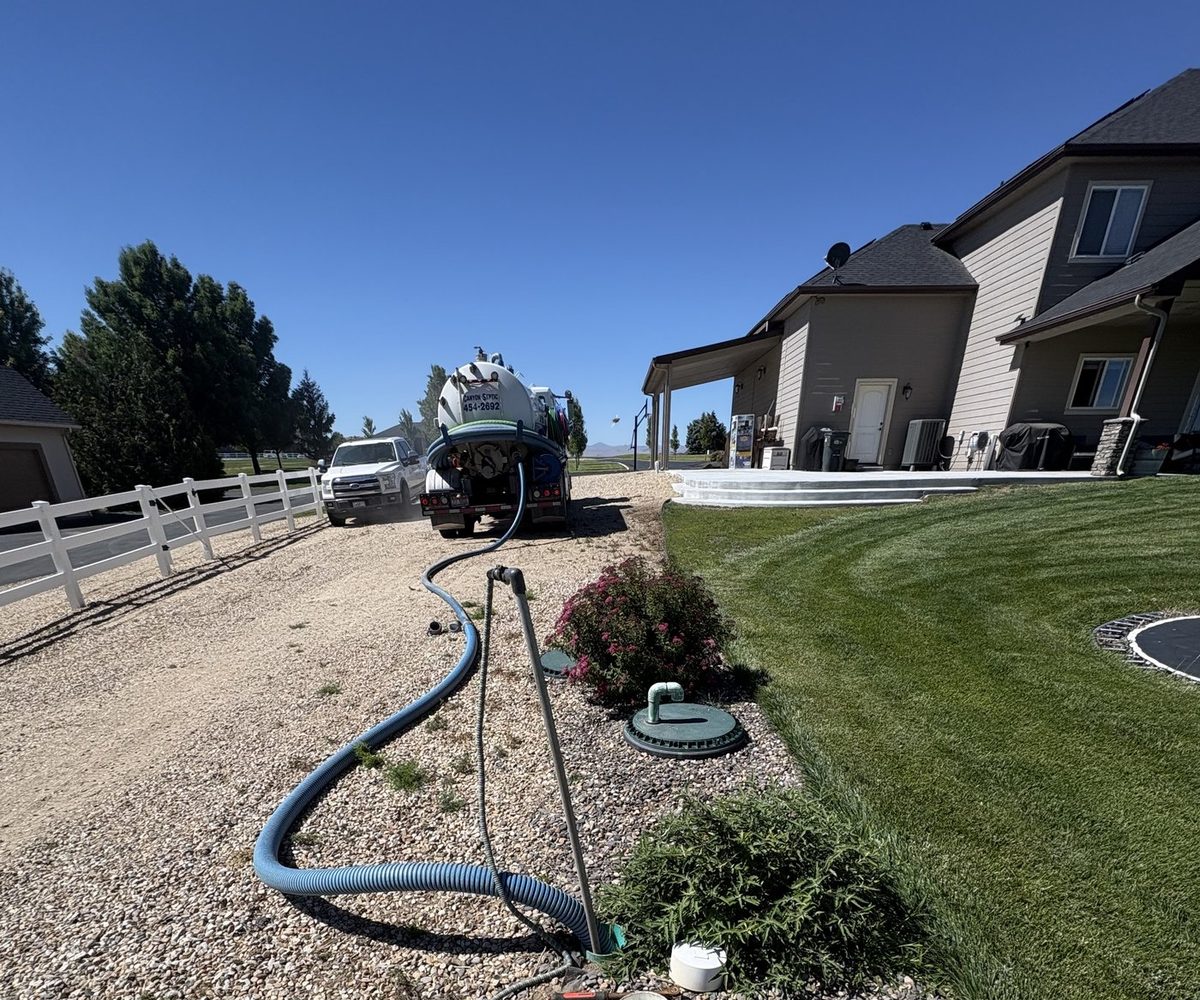
Every job starts the same way: we locate your tank, uncover the lids, and pump it out completely — solids, scum, and liquid. The 2,100-gallon truck handles most residential and commercial tanks in a single visit.
While we're in there, we check the baffles, inspect the lids, and flag anything that's starting to wear before it turns into a repair. "I have never seen my tank so clean after being pumped — it looked like new" is the kind of finish we're after on every job.
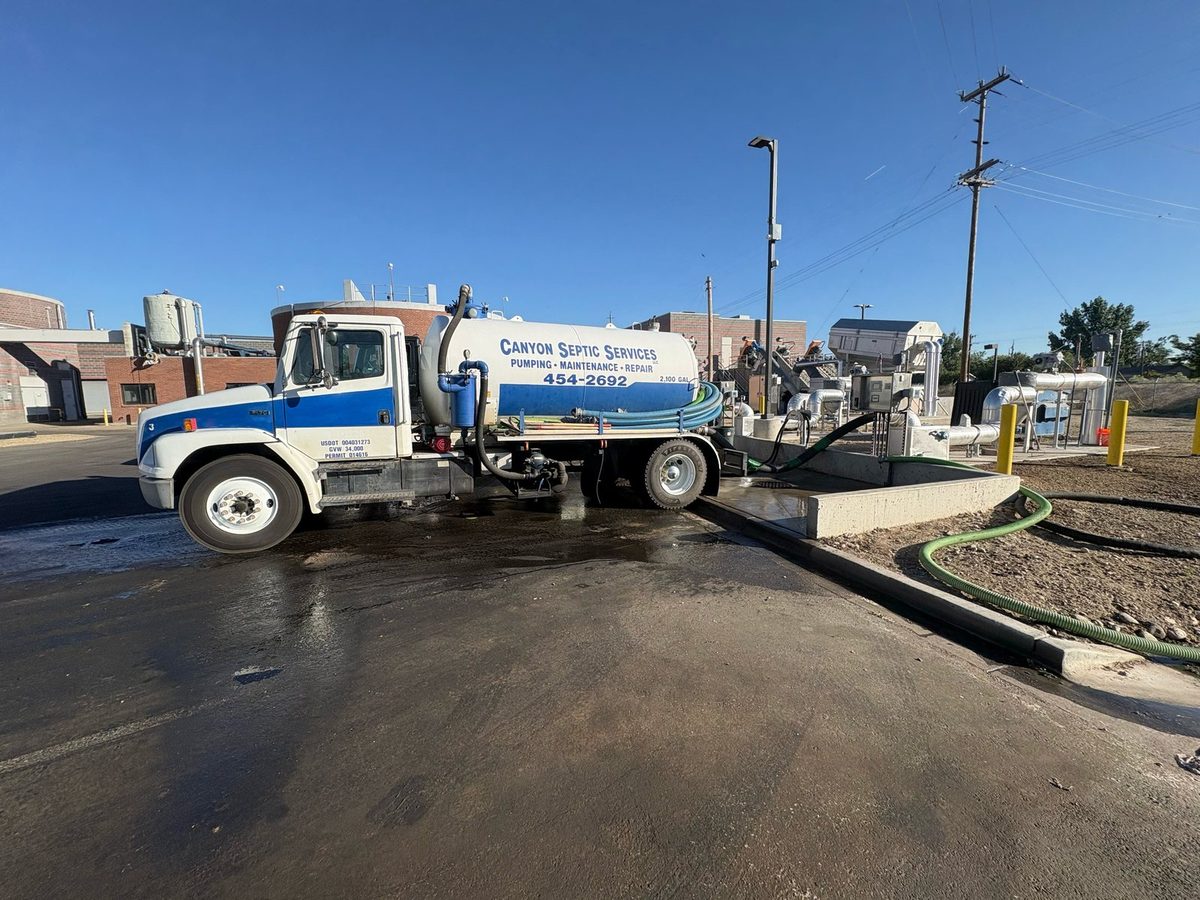
Pumping the tank is only half the job — what comes out has to be disposed of properly. We haul it to the Caldwell Waste Treatment Plant and offload at the facility's approved receiving station, where it gets treated the right way.
It's the permitted, regulated process every load follows — nothing improvised, nothing cut short. Just waste handled responsibly, from your tank to the plant.
A septic tank works by letting solids settle and separate before the liquid moves on to the drainfield. Over time, that solid layer builds up. Wait too long, and solids carry into the drainfield — the most expensive part of the system to repair or replace.
For most households, pumping every three to five years keeps solids where they belong and the whole system running the way it should. We'll tell you where your tank stands and when to plan the next visit — no upsells, no surprise invoices.
Sometimes the tank is full; sometimes there's a clog in the line. We locate and pump the tank first, then identify where the blockage actually is.
A high-pressure water line runs through the pipe to break up the blockage and scour buildup off the walls, restoring full flow without digging.
You'll know it's working when the drain runs clear again. We walk you through what caused it and how to keep it from coming back.
"Excellent owner — truly someone you can depend on. Came out after hours and didn't stop 'til he fixed my clog. Deserves 10 stars."
Routine pumping or an emergency clog — tell us what's going on and we'll get a truck to you.